

clear
A clear coat that keeps pace with the crew.
Polyaspartic for Lodi garages that need to go back into service quickly, for sun-facing patios, and for the quartz or flake broadcast sitting underneath. We size batches to the temperature you will be working in and ship them from the Tracy bench. You roll it. We make sure the order and the plan fit the day.
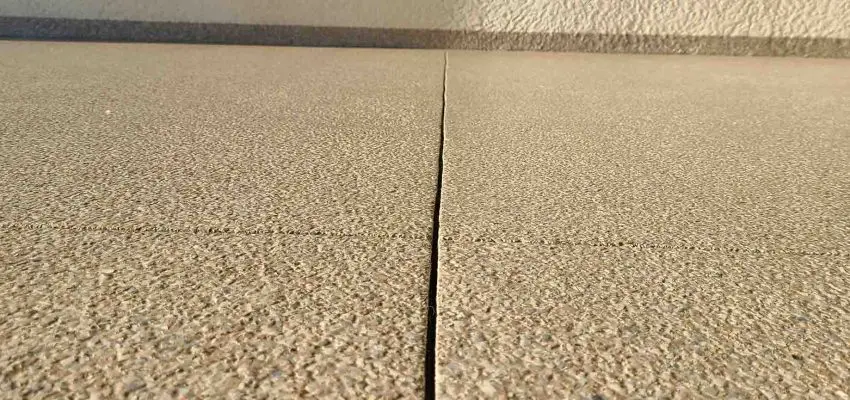
How a fast-recoat garage day is laid out.
Speed is the reason people buy polyaspartic, and it only pays off when the day is planned in order. This is the outline we talk through with Lodi installers before the kits leave Tracy.
Morning: grind and clean
Prep comes first and has to move. Open the slab to the profile your base coat asks for, fill the cracks, and vacuum until a hand dragged across the concrete comes back clean. Every later step leans on this one.
Base coat and broadcast
The base goes down and flake or quartz follows while it is still wet. How quickly that base firms up sets the tempo for the rest of the day, so read that line on the data sheet before the crew arrives.
Scrape and vacuum
Once the base can take foot traffic, knock down loose chips and pull every speck of dust off the surface.
Clear topcoat
Polyaspartic recoats and returns to light foot traffic much sooner than a typical epoxy topcoat, which is what lets all four stages share one day. The exact windows are printed on the data sheet at a stated temperature, and those are the numbers to plan around.
heat
Valley heat shortens pot life.
A polyaspartic that gives you a comfortable window on a mild spring morning can turn on you during a Lodi summer afternoon. The reaction speeds up as the slab and the air warm, so the same mix thickens sooner, drags on the roller sooner, and leaves less time to go back for a missed spot.
The answer is batch size. Mix only what the crew can spread while the product stays workable, and shrink the batch again as the garage heats up through the day. Starting early, while the concrete still holds the cool of the night, buys working time at no charge. Keeping the kits out of a hot truck bed until the moment you mix buys a little more.
Tell us the square footage, the month and the hour you plan to start, and we will talk through kit sizes that split cleanly into small batches.

Sun, bare feet and the pool deck.
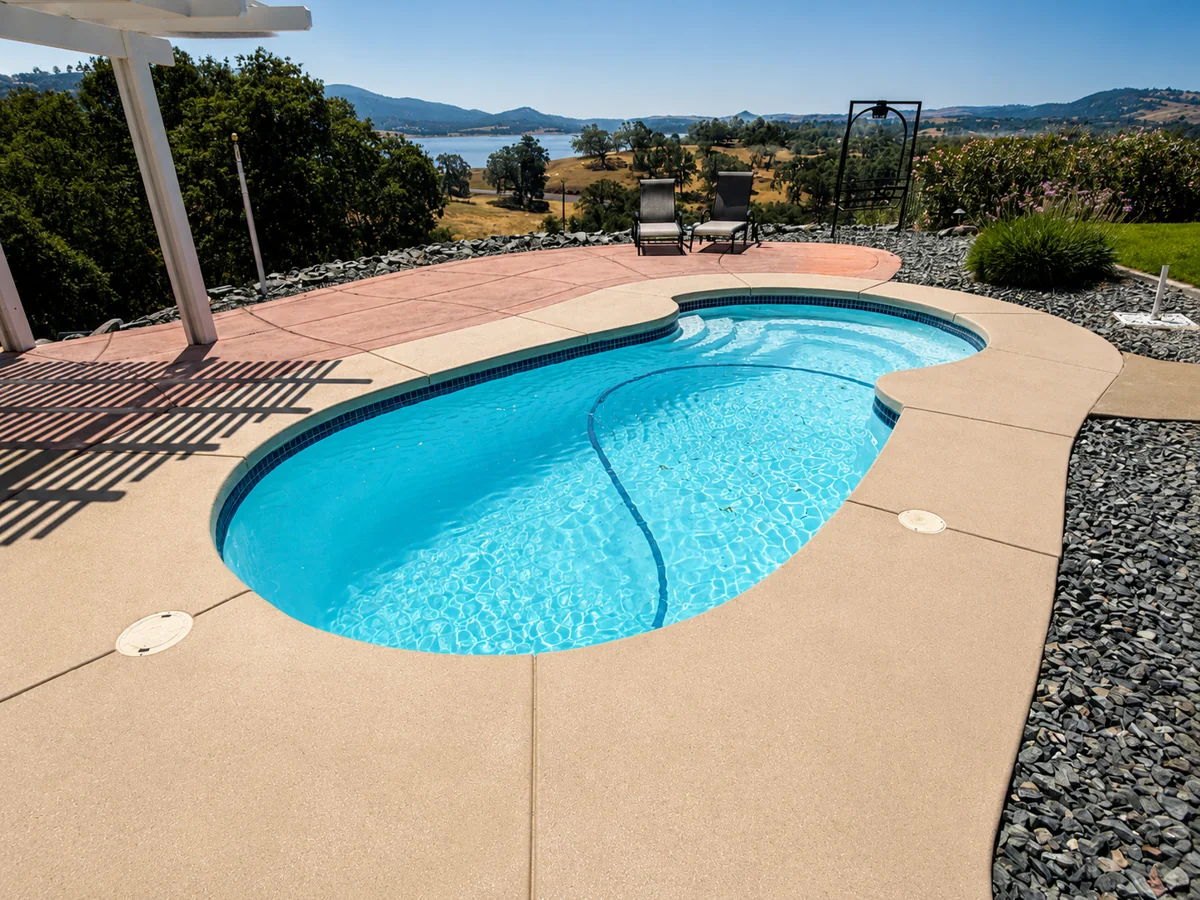
The deck in this photo is a quartz broadcast around a pool, open to the sky all day long. Out there, the topcoat choice stops being a detail. Standard epoxy tends to amber and chalk when it sits in direct sun. Aliphatic polyaspartic topcoats hold their color far better, which is why we point Lodi installers toward them for sun-facing garages, patios and decks.
The quartz underneath matters just as much. A broadcast leaves texture, and the clear coat has to seal that texture without flooding it smooth, or the grip that keeps wet feet safe goes away. Thinner passes keep more of the profile. The same logic applies over flake on a garage apron that catches the afternoon sun. Tell us which broadcast is going down and how much grip the owner expects, and we will size the topcoat for a textured surface, which always takes more product than a flat one.
Rollers, squeegees and where lap marks come from.
Most lap marks on a polyaspartic floor are a timing problem that looks like a tool problem. The coat begins to set, someone rolls back into it, and a ridge shows up under every light in the garage. Pick tools that let the crew move at a steady pace and never double back.
A flat or notched squeegee spreads the poured ribbon evenly across the field. A short-nap, solvent-resistant roller then backrolls it into a uniform film. Cut the edges in first, start at the far wall, and finish at the door. When a roller starts to drag or leave strings, swap it out right away instead of pushing through another pass.
When an epoxy topcoat is the smarter buy.
We stock both, and some jobs belong to epoxy. An interior shop floor with no sunlight, no deadline and a crew still learning to hold a wet edge gains little from fast chemistry, and it gives up a lot of room for error. On that floor the slower cure is the whole advantage.
A large commercial room is another case. The longer the pour, the harder a fast product punishes a small delay, while a slower epoxy topcoat lets a bigger crew stay coordinated from one end of the building to the other. If that describes your Lodi job, we will say so on the call.
Pairing the clear coat with a base? The epoxy systems page covers the full stack. Chips under the topcoat are on decorative flake systems, glossy showroom floors are on metallic flooring, and prep starts with a concrete grinder rental. The whole line sits under polyaspartic coatings, and the floors we test on are written up at the field test bench.
Buy the speed when the job actually needs it.
From the Tracy bench to a Lodi garage.
Lodi sits about 33 road miles from Tracy, well inside same-week local delivery or pickup. For a fast-recoat job, picking up the day before is the safer habit, because the kits can rest indoors overnight and start the morning at a normal temperature.
Call ahead and the order will be waiting when you pull in. Regular buyers get contractor pricing. See the Lodi supply page, the rest of San Joaquin County, or reach the bench from the contact page.
Before the first kit of topcoat opens.
How much faster is polyaspartic than an epoxy topcoat?
Noticeably faster to recoat and to return to light foot traffic, which is what makes a one-day garage possible. The exact windows depend on the product and the temperature, so read the data sheet for the conditions you expect. Call the bench and we will read it with you.
How big should each batch be in summer?
Smaller than feels natural. Warm slabs and warm air shorten pot life, so mix only what the crew can spread while the product still flows, and cut the batch again as the afternoon heats up. An early start on a cool slab gives you the most working time.
Will polyaspartic yellow on a sunny patio?
Aliphatic polyaspartic topcoats hold their color in sunlight far better than standard epoxy, which tends to amber outdoors. That is why we suggest them for sun-facing garages, patios and pool decks. Ask us which product on the shelf suits an exterior slab before you place the order.
Can I topcoat a quartz broadcast without losing the grip?
Yes, as long as the clear coat seals the texture without flooding it smooth. Thinner passes keep more of the profile. Tell us how much grip the owner wants and which broadcast is going down, and we will size the order for a textured surface.
Can polyaspartic go over an old epoxy floor?
Often, as long as the old coating is sound and still well bonded. Scuff sand it, clean off every trace of dust and residue, and test a small patch before committing the whole floor. If the old coat is peeling or soft in spots, it has to come up first.
Do you ship polyaspartic to Lodi?
Yes. Lodi is about 33 road miles from our Tracy bench, so orders usually go out the same week and pickup is easy. Picking up the day before lets kits rest indoors overnight. Regular buyers can set up contractor pricing, and you or your crew handle the install.
Send the square footage and your start time.
Tell us the floor size, whether it sits in the sun, and what time the crew plans to start mixing.
- (209) 208-4656
- chris@exclusiveresins.com
- Tracy, CA · Ships nationwide
Rolling a clear coat in Lodi soon?
Call the bench with the square footage, the season and the broadcast underneath, or send a message, and we will size the kits into batches your crew can handle.